Volume enhancement
Dermal Filler Risks & Safety:
What You Should Know
What Are Hyaluronic Acid Dermal Fillers?
Hyaluronic Acid (HA) is a naturally occurring sugar molecule found in the skin and connective tissues. It plays an important role in:
- Hydration
- Skin elasticity
- Volume and structure support
HA is constantly broken down and renewed by the body. To ensure it remains in place long enough to deliver results, HA used in dermal fillers is lightly modified to slow down the natural breakdown process.
When injected into targeted areas, HA fillers can:
- Restore volume lost with age
- Smooth wrinkles and folds
- Enhance facial features (e.g. lip augmentation, cheek contouring)
Expected Results
The longevity of dermal fillers varies and depends on:
- The type of filler used
- Location of treatment (e.g. lips, cheeks, under-eyes)
- Volume injected
- Your body’s natural metabolism
- Lifestyle habits, including sun exposure and smoking
Most fillers typically last between 6 to 24 months.
Choosing the Right Practitioner
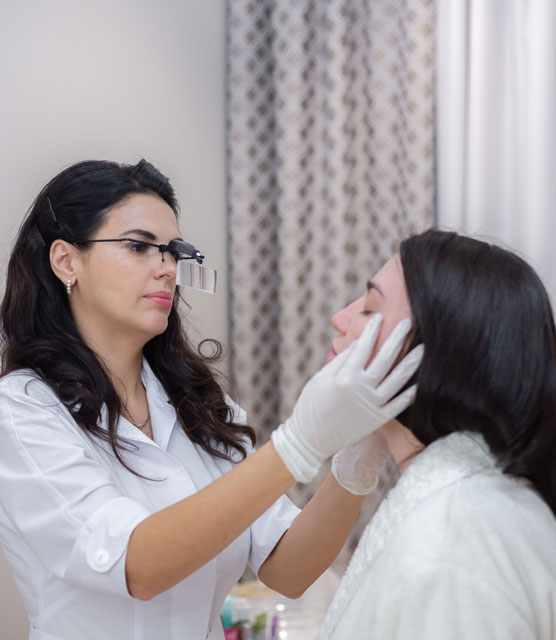
In Australia, only AHPRA-registered healthcare professionals (doctors, nurse practitioners, and registered nurses under supervision) are legally allowed to administer cosmetic injectables.
Before undergoing treatment:
- You must have a consultation with a medical doctor or nurse practitioner, either in person or via telehealth.
- Your practitioner should explain your options, provide a clear treatment plan, and allow you time to decide—you should never feel pressured.
- Trust your instincts. A good practitioner will make you feel safe, heard, and informed, and will discuss all risks and side effects before proceeding.
Verify your practitioner’s credentials at www.ahpra.gov.au.
Potential Side Effects & Risks
While HA fillers are generally safe when performed by experienced injectors, all medical procedures carry some risk.
Most side effects are mild and temporary, but rare complications can occur, especially when dermal fillers are injected into or near blood vessels.
Common Side Effects
- Mild bruising
- Swelling or redness
- Tenderness or discomfort
- Minor bleeding at injection sites
- Itching or sensitivity
- Lumps or bumps at injection site
Rare or Serious Complications
- Infection (bacterial or viral)
- Vascular occlusion (filler enters a blood vessel)
- Skin discolouration
- Tissue death and scarring (if vascular occlusion is untreated)
- Haematoma (collection of blood under the skin)
- Hardened inflammatory nodules
- Skin ulceration
- Permanent disfigurement
- Stroke or blindness (extremely rare)
- Severe allergic reaction (anaphylaxis)
Understanding Vascular Occlusion (VO)
A vascular occlusion occurs when filler unintentionally enters a blood vessel and restricts blood flow to surrounding tissue. This is a rare but serious complication that can lead to skin damage and scarring if not identified and treated quickly.
Warning signs of a vascular occlusion may include:
- Sudden blanching (whitening) of the skin
- Severe pain or a dusky/greyish colour in the treated area
- Delayed capillary refill
- Skin changes following injection
Your practitioner should give you clear instructions on what to watch for and how to respond. Early recognition and intervention are critical.
Areas at higher risk of vascular complications include:
- Glabella (frown lines)
- Nose
- Forehead
- Temples
- Tear troughs (under eyes)
- Nasolabial folds (nose-to-mouth lines)
These areas should only be treated by experienced injectors with advanced knowledge of facial anatomy.
Extremely Rare Risks
While incredibly uncommon, there have been isolated reports of:
- Blindness (approximately 0.001% risk)
- Stroke
- Severe allergic reactions including anaphylaxis, which may be life-threatening
These events highlight the importance of seeking treatment from a practitioner who understands the risks and how to manage them effectively.
Final Notes
Dermal filler treatments can offer beautiful and natural-looking results when performed safely and responsibly. Always:
- Choose a qualified practitioner you trust
- Take your time to ask questions
- Understand both the benefits and the risks
If you’d like to learn more about vascular occlusion, please ask your practitioner for our detailed VO information sheet.
Dermal Filler Aftercare Instructions
Thank you for choosing us for your dermal filler treatment. To help your skin heal and to ensure optimal results, please follow the aftercare guidelines below.
What to Expect
After your treatment, you may notice:
- Tenderness at the injection sites
- Swelling or bruising, which is common and temporary
These effects are a normal response and should gradually subside over the next few days.
Post-Treatment Guidelines
To minimise side effects and promote healing:
- Avoid touching or rubbing the treated areas for at least 4–6 hours
- No strenuous exercise for the next 24–48 hours
- No facials, peels, or other aesthetic treatments in the treated area for at least 2 weeks
- No face-down massages or pressure on the face for 7 days
- Avoid active skincare ingredients (e.g., retinoids, vitamin A, AHAs) for 24 hours
- Do not massage, press, or manipulate the treated areas unless specifically advised by your practitioner
- Mild swelling and bruising may be reduced with cool compresses (not ice directly on skin) and by sleeping with your head slightly elevated.
Adverse Reactions – When to Seek Help
Most side effects are minor, but the following symptoms are NOT normal and may require urgent review:
- Discolouration of the skin (purple, white, grey, or blue) around the injection site – may indicate a vascular occlusion
- Ulceration or blistering in or near the treated area
- Severe swelling that affects eating, drinking, or sleeping
- Increasing pain or throbbing that worsens over time
- Heat and redness at or near the injection site – may indicate infection
- Firm, painful lumps or nodules that feel warm or inflamed
- Discharge, bleeding, or oozing from injection sites
- Persistent itching or rash
- Sudden appearance of hard, inflamed lumps days or weeks after treatment
If You Have Concerns
If you experience any of the symptoms above—or anything else that doesn’t feel right—please contact your practitioner immediately for advice or to arrange a review. Prompt care can prevent complications and ensure the best possible outcome.
SCULPTRA® – Collagen That Comes From Within
From $750
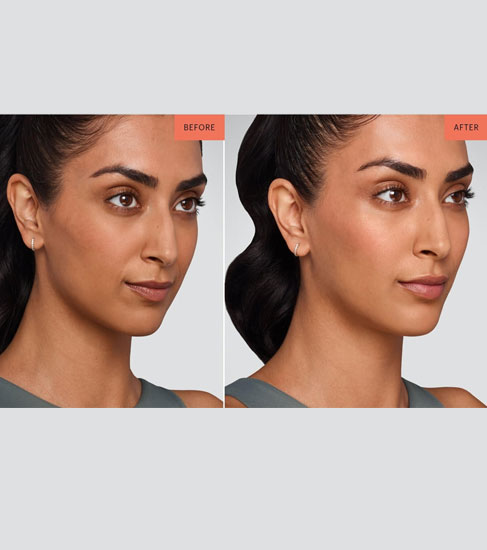
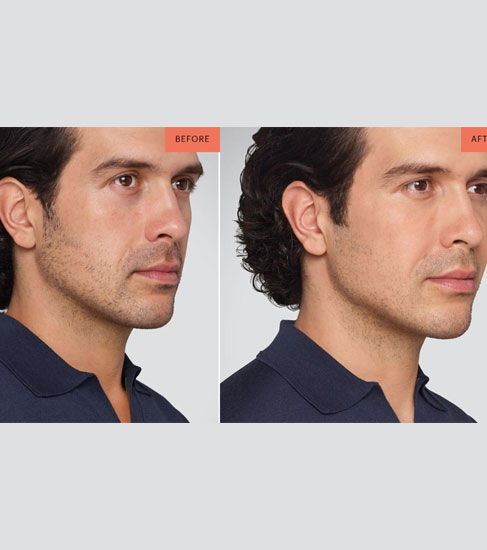
Sculptra® is not your average filler. It’s a collagen stimulator that works deep within the skin to restore volume, smooth wrinkles, and improve skin texture—naturally and gradually.
Powered by poly-L-lactic acid (PLLA), Sculptra® encourages your body to rebuild its own collagen, with visible results appearing over time and lasting up to 2 years or more.
What Makes Sculptra® Unique?
- Natural Results: Subtle improvements appear gradually as your collagen rebuilds.
- Long-Lasting: Results can last up to 2 years or longer.
- Targeted Treatment Areas: Cheeks, temples, jawline, and mid-face.
- Series of Sessions: Typically 2–3 treatments spaced weeks apart for best results.
- Biocompatible: Safe for most people, but always discuss your medical history first.
Collagen starts building from Day 5. Visible results by Day 14.
Let your skin restore itself—naturally.
Book your consultation today to find out if Sculptra® is right for you.
Would you like an even shorter version for Instagram captions or ad copy?
Non-Surgical Rhinoplasty (Nose Filler)
Non-surgical rhinoplasty, commonly known as nose filler, is a highly sought-after treatment designed to refine and enhance the appearance of the nose without the need for surgery. As the nose is a central and defining feature of the face, subtle improvements can significantly elevate your overall facial harmony.